Skip to content
 Home > Filter Media
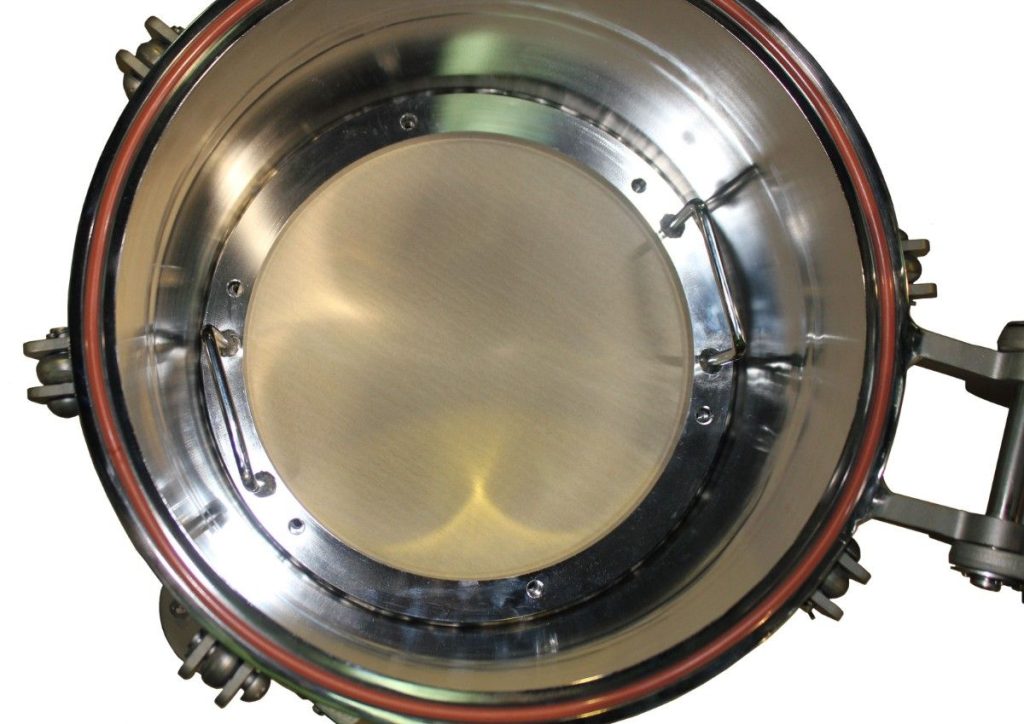
Selecting the right filter media is critical for optimizing performance, reducing operational costs, and ensuring long-term reliability. Sparkler® Filters offers a comprehensive selection of premium filter media designed to meet the demands of industries including pharmaceuticals, chemicals, food & beverage, and mining.
This page focuses on the specific filter media we offer. To learn more about filter media in general — including common principles and terminology — click here.
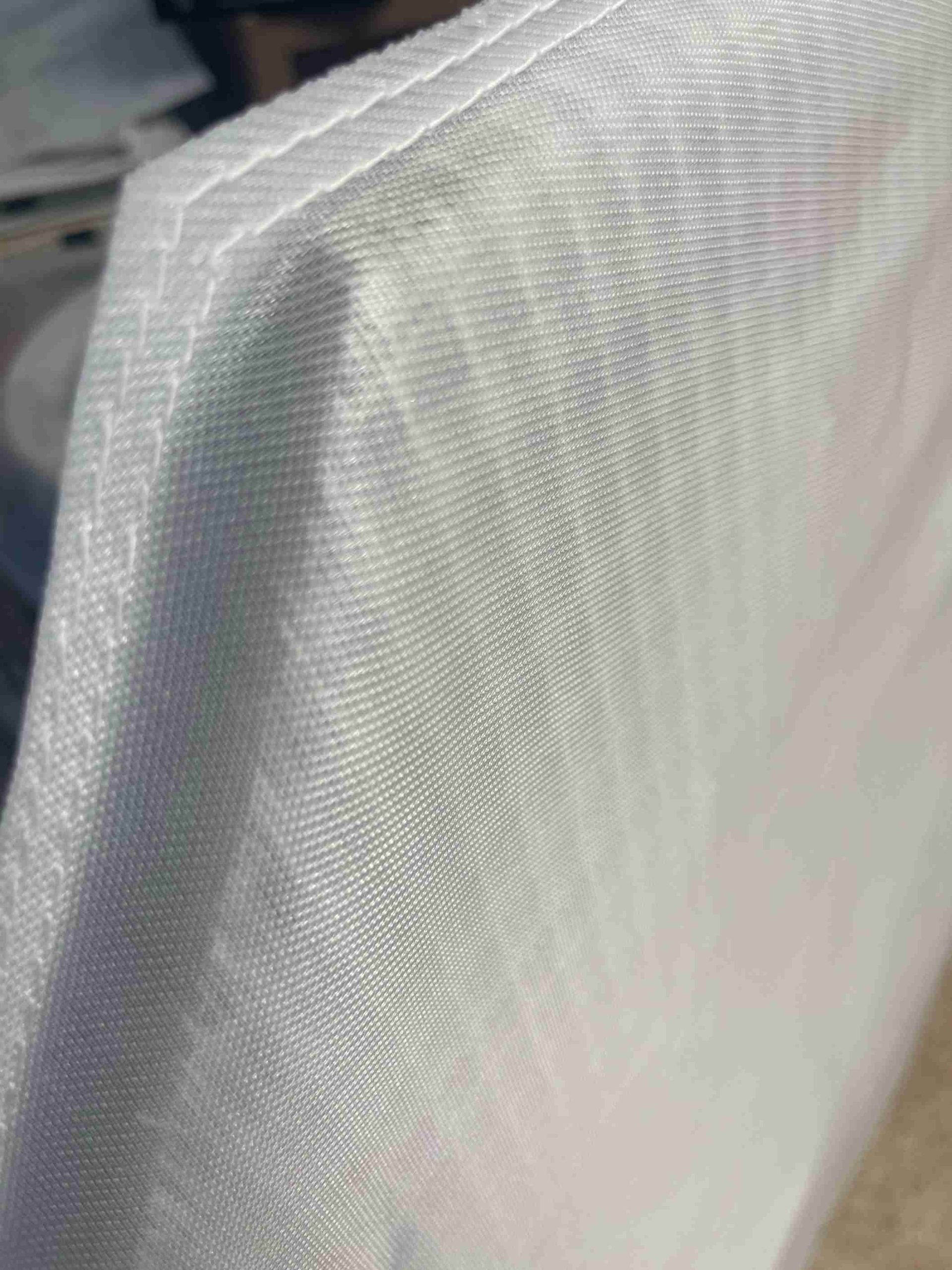
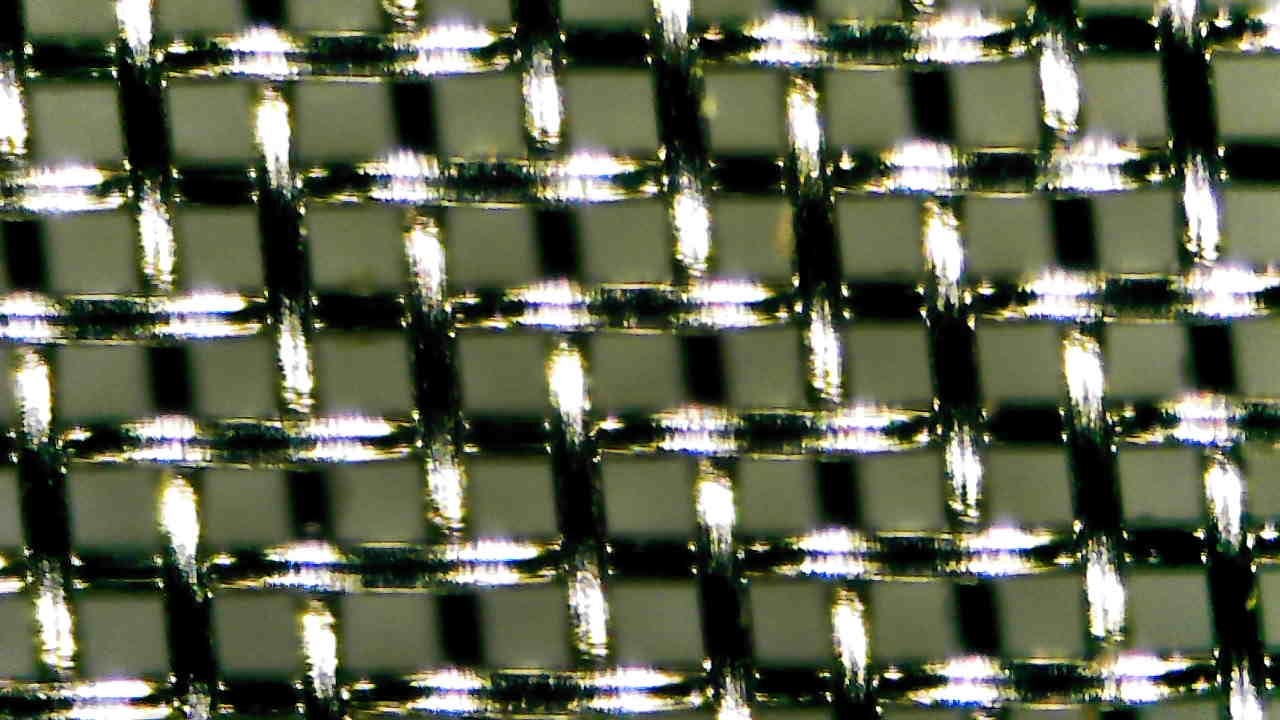


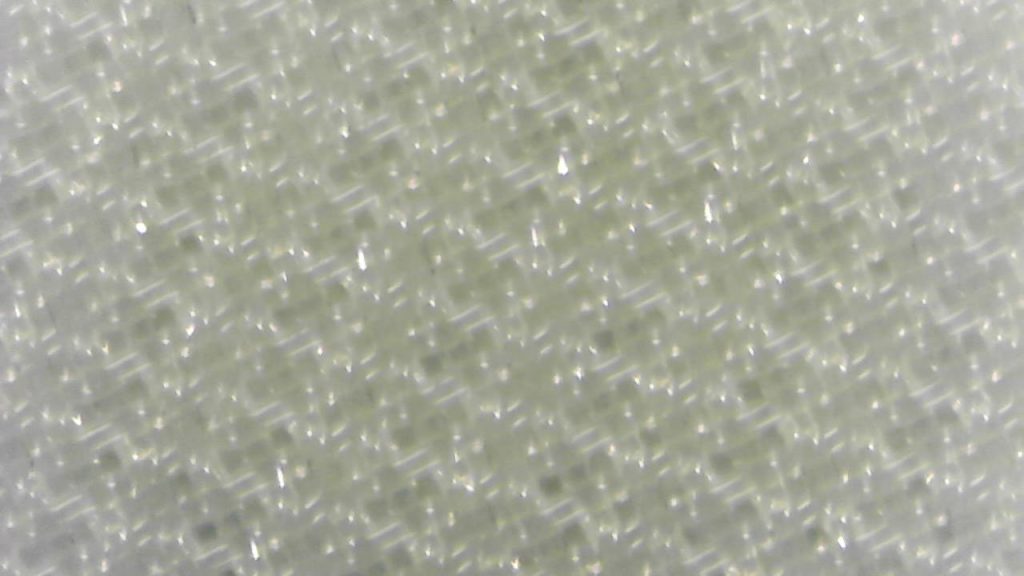
Advantages : Easy to use, high heat resistance, low cost, and compatible with most chemistries.
Disadvantages : Not for use with self-cleaning vertical plate filters.
Applications : Ideal for food and beverage, pharmaceuticals, and general-purpose filtration. Most common filter media for horizontal plate filters.
Temperature Resistance : Up to 451°F.
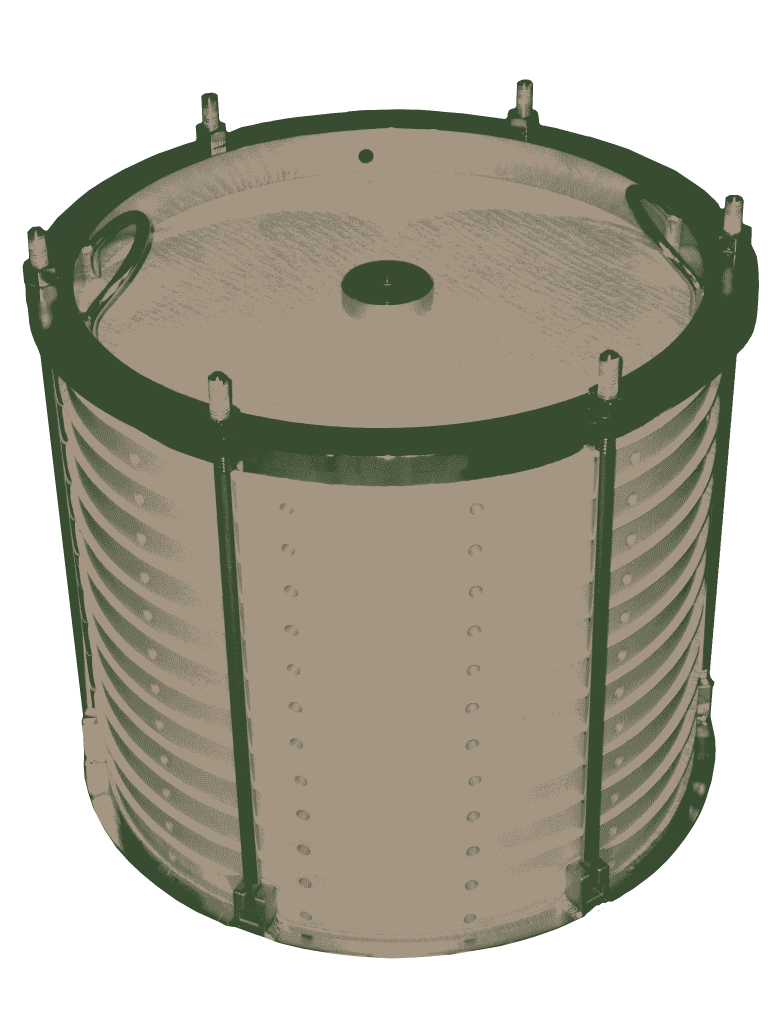
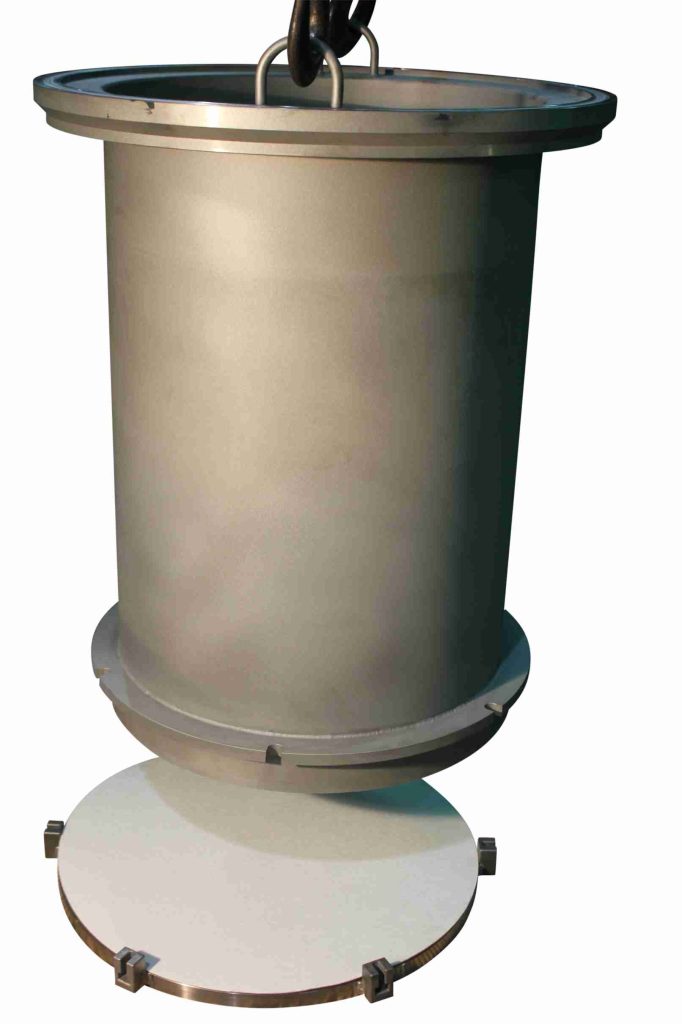
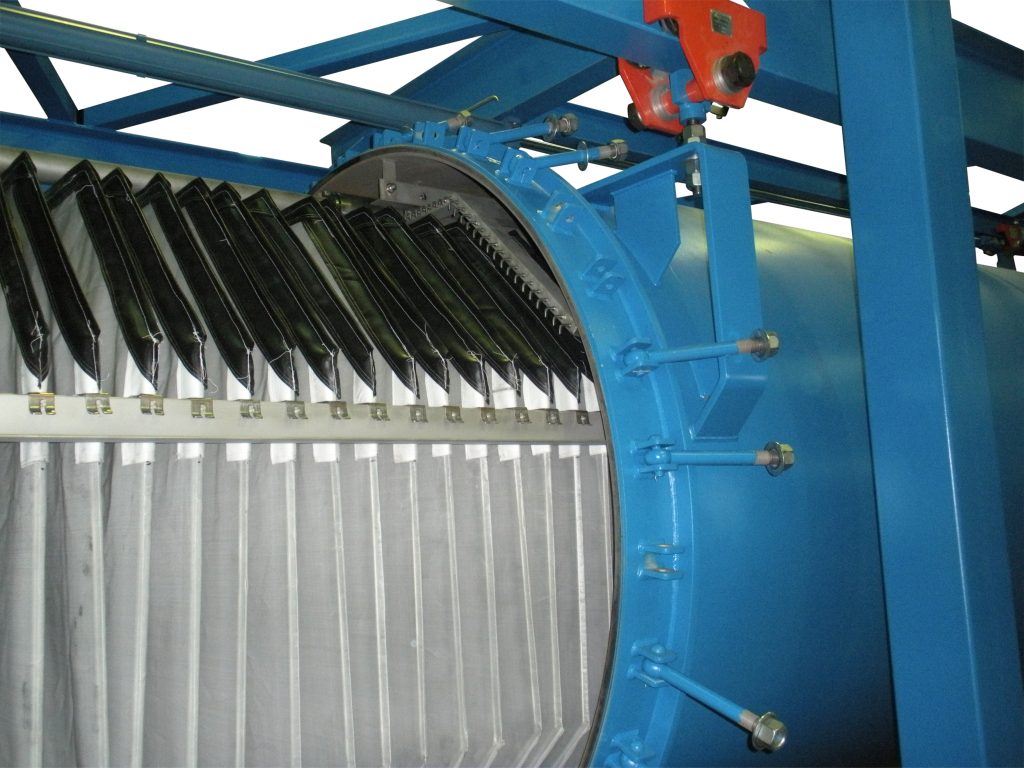
Advantages : Cost-effective, great chemical resistance, durable, and light. Often used as a standalone filter media or as a supporting substrate for Teflon membranes. Cleans easily in both Wet and Dry Cake discharge configurations on self-cleaning vertical plate filters.
Applications : Chemical processing, mining, and metallurgy where chemical resistance and affordability are key factors. Most common filter media on vertical plate filters in both VF and MCRO configurations.
Temperature Resistance : Up to 180°F.
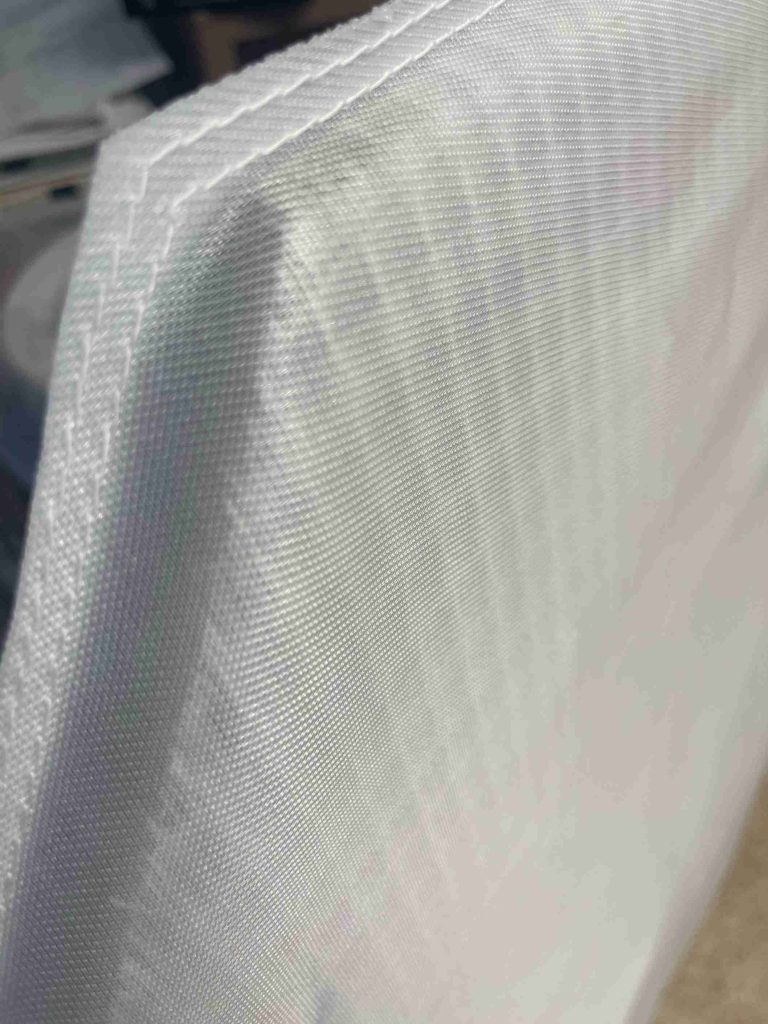
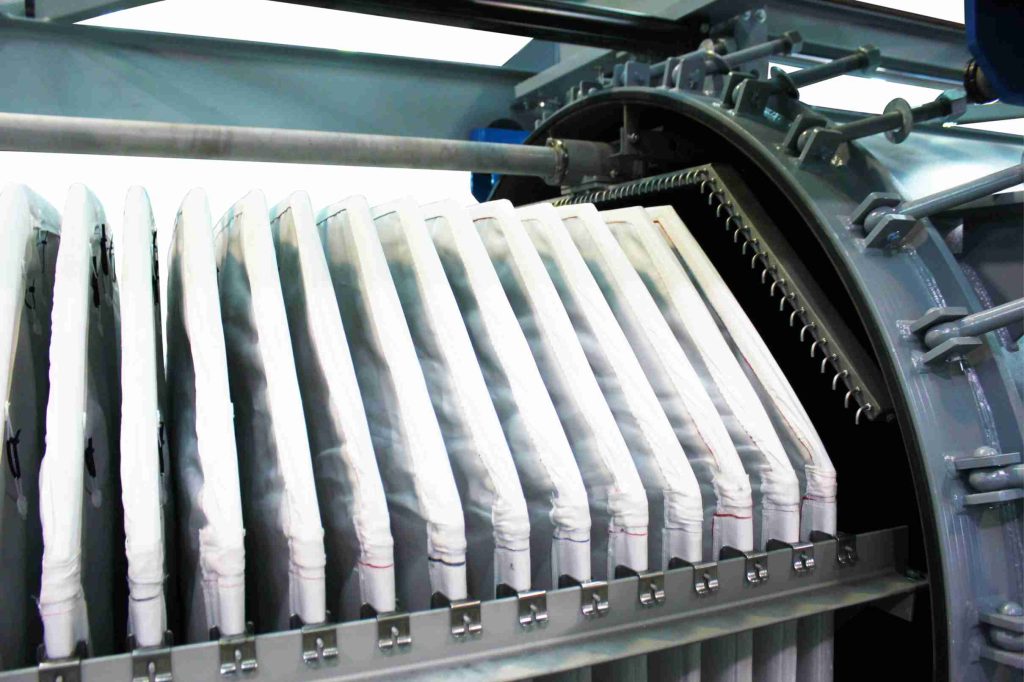
Advantages : Durable, good chemical resistance, cost effective, suitable for medium-heat applications.
Applications : Mining and lithium production, agricultural products, heavy-duty industrial applications.
Temperature Resistance : Up to 302°F.
Advantages : Ability to reach micron efficiencies under .5 micron. Superior chemical resistance and heat tolerance, hydrophobic and non-shedding for sterile applications. Typically combined with a polypropylene substrate for added durability and cost efficiencies, but alternative substrates such as polyester or Teflon can be selected for applications requiring higher temperature resistance beyond 180°F. Reusable in select applications depending on process conditions.
Disadvantages : Very high cost compared to alternative options. 50-100X first cost of cellulose. Requires application-specific testing to determine feasibility, diminishing return threshold, and overall cost-effectiveness.
Applications : High-purity pharmaceutical filtration, aggressive chemical processes, high-temperature applications and general-purpose filtration where sub-micron retention is required and where diatomaceous earth (DE) is not chemically compatible or feasible
Temperature Resistance : Up to 500°F.
Advantages : Excellent absorbency, blends well with polyester to create a unique chemical compatibility and excellent flow characteristics.
Disadvantages : Applications: Pharmaceuticals, specialty chemical processes.
Temperature Resistance : Up to 300°F.
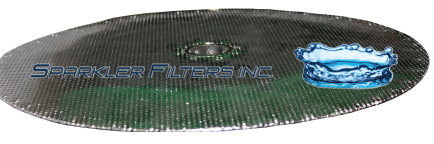
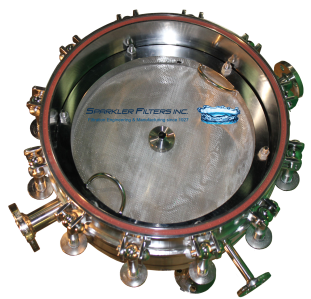
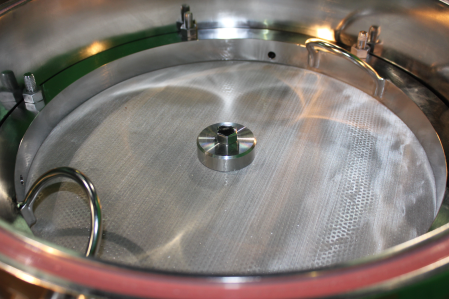
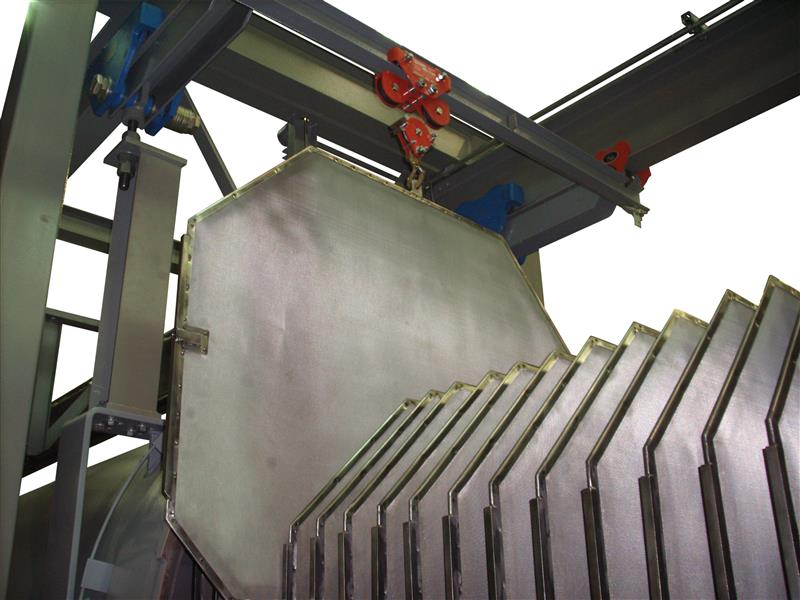
Advantages : Wire mesh is highly durable, chemically resistant, and reusable, making it an environmentally friendly choice for industrial applications. It is an excellent option for applications requiring filtration above 50 microns, providing robust performance in high-load environments. It excels in high-temperature environments and is particularly effective when combined with DE or perlite pre-coating to achieve ultra-fine filtration below 0.5 microns.
Disadvantages : While wire mesh excels in applications above 50 microns, reaching finer filtration efficiencies can be challenging without blinding. The use of filter aids is recommended to maintain flow rates and prevent clogging in sub-50 micron applications.
Applications : Ideal for demanding applications such as mining, chemical processing, specialty chemicals, and heavy-duty industrial filtration, where durability, reusability, and high-temperature resistance are essential.
Temperature Resistance : Greater than 500°F.
Advantages : Convenient. Clean operation.
Disadvantages : Largely inefficient compared to traditional DE precoat or AC blending. While we still supply in unique circumstances, Sparkler typically advocates for the traditional methods as the differences in effectiveness are largely quantifiable.
Applications : Food and Beverage.
Temperature Resistance : Varies.
For assistance in selecting the appropriate filter media or to discuss customization options, Contact us today at (936) 756-4471 or sales@sparklerfilters.com.
Experience the difference with Sparkler® Filter Media—your trusted partner in industrial filtration.


"*" indicates required fields