Maximizing Filtration Performance Through Media Selection
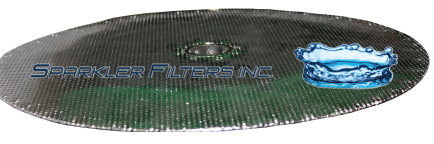
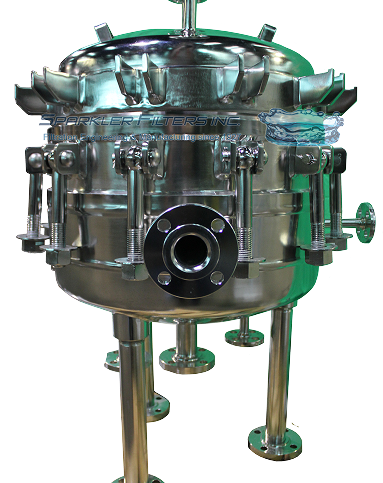
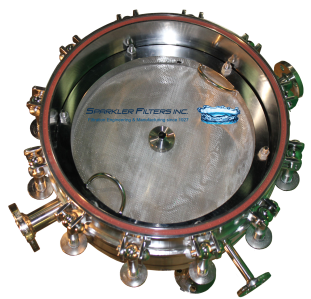
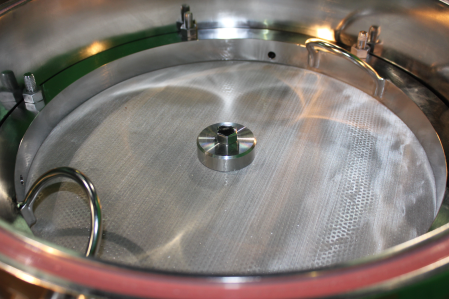
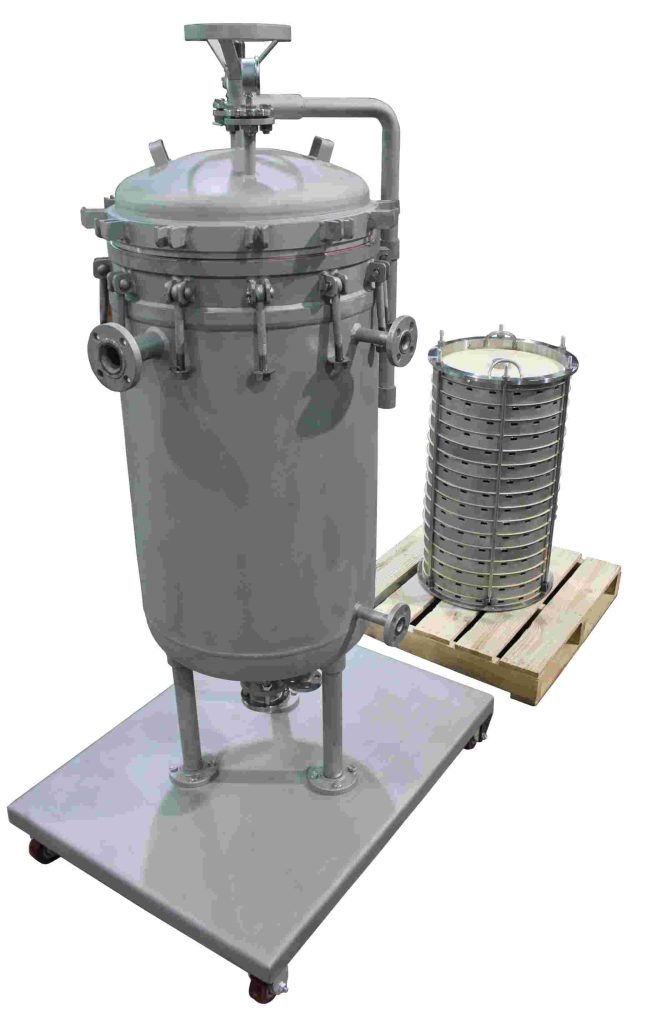
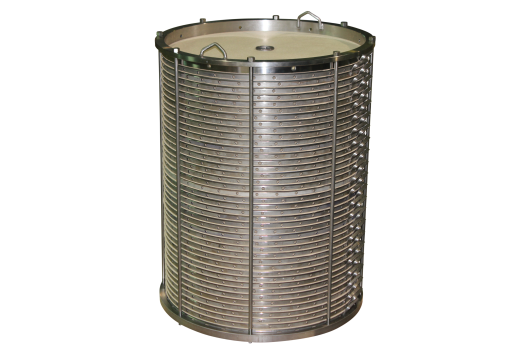
Filter media selection is an essential factor in industrial filtration, affecting filtration efficiency, cycle time, and operational costs. With nearly a century of expertise, Sparkler Filters® high-performance filter media have been precision engineered and selected for optimal performance in industries including chemical processing ,pharmaceuticals,food & beverage and mining.
Choosing the right media can :
Optimize throughput
Reduce downtime
Improve cake release characteristics
Lower operational costs- maintenance and consumables
This guide explores key considerations, best practices, media types and troubleshooting to help you select the best filter media for your application, to visit our Filter Media Product page click here.
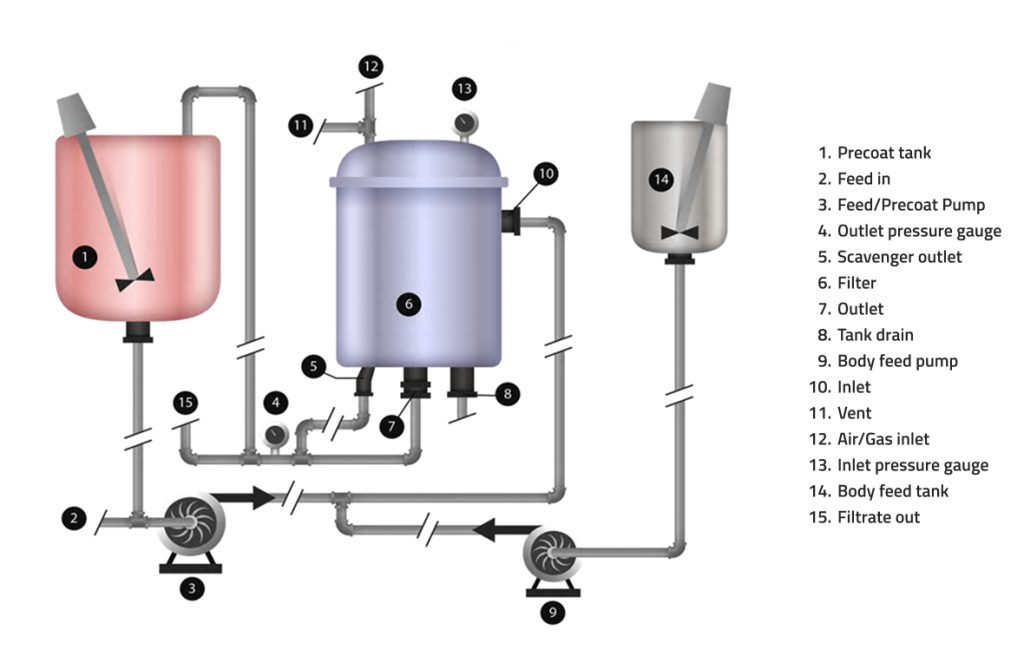
Precoating improves release characteristics across all filter
media types.
Protects the media from damage and clogging, extending
cycle time.
Fine filtration below -30 microns often requires a precoat
when using wire mesh.
Membrane filter media or filter aid is required for clarity
under 1.5 microns.
Disposable vs. Reusable Filter Media
Disposable Media (e.g., cellulose, polypropylene felt,
cartridge filters) regains 100% available filter area with each
use.
Reusable Media (e.g., wire mesh, filter bags, candles) loses
functional filter area over time, making change out
maintenance and differential pressure monitoring critical. All
automated systems utilize this type of media.
Chemical Compatibility & Temperature Limits
Assessing different filtration technologies (plate filters, candle filters, cartridge filters, filter press, belt, screw press, etc.) to determine the best fit
Defining technical specifications, materials of construction, and process compatibility
Assisting in the development of RFQs (Request for Quote) and datasheets
Evaluating filter media for optimal change-out schedules based on performance trends
Preventing early blinding and clogging by adjusting filtration parameters
OEM filter media is critical to ensure maximum cycle time & effective cleaning.
Sparkler filter media can reduce recirculation time for precoating & clarity applications.
Understanding Media Resistance
Filter media is rarely a major source of resistance in cake filtration.
A tighter media typically does not significantly impact resistance until <1micron.
Beyond the Basics
How Filter Media Really Works
Surface vs. Depth Filtration
Filtration isn’t just about stopping particles—it’s about how they're stopped. There are two fundamental mechanisms :
Surface Filtration : Solids are trapped on the surface of the media. This is common with membrane filters or tight woven materials.
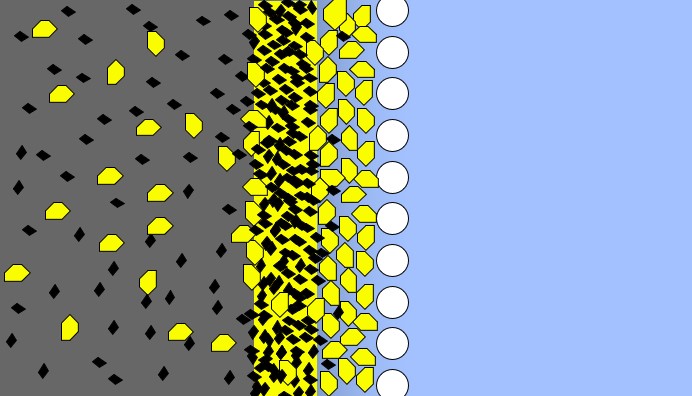
Depth Filtration : Solids are captured within the thickness (depth) of the media or cake layer. This allows for higher surface area efficiency and longer run times.
In most industrial solid-liquid separation, especially using pressure filters, the filter cake—not the media—is doing most of the filtration. That’s a key distinction many users overlook.
The Filter Cake is Doing the Work
Nearly all filter media types—woven or non-woven, synthetic or cellulose—have about 50-70% open area and 30-50% closed area. That ratio changes dramatically when a precoat is applied. With precoat :
The functional open area extends to over 90%, enabling excellent distribution and uniformity of flow pathways.
The media's role becomes a support platform—its job is simply to hold the filter aid, which becomes the actual filtration layer.
In Short : the filter media catches the precoat, but the precoat (and later the cake) does the filtering.
In certain cases, you can also recirculate your product and form a self-generated depth filter using your own solids—eventually achieving clarity spec in applications that cannot utilize a precoat.
Don’t Overthink the Media: Focus on Process First
Engineers often overanalyze media type, when the separation performance is typically determined by process factors and cake depth. The key is to:
Establish a baseline and standard operating procedures for optimal efficiency in process parameters. Repeat. Click here
for an example batch log.
Follow recommended precoat and body feed procedures if needed Click here to download the Sparkler Precoat and
Bodyfeed Guideline PDF.
When differential pressure increases too quickly, it’s usually because:
The cake has a Iow darcy value, restricting flow and contributing to resistance. Bodyfeed can be considered to offset this
resistance
Solids are being forced into the filter media or compressed , blinding the surface area
Check out this page on process tips for more information
Monitoring differential pressure (dP) is one of the easiest ways to understand what's happening inside your filter system.
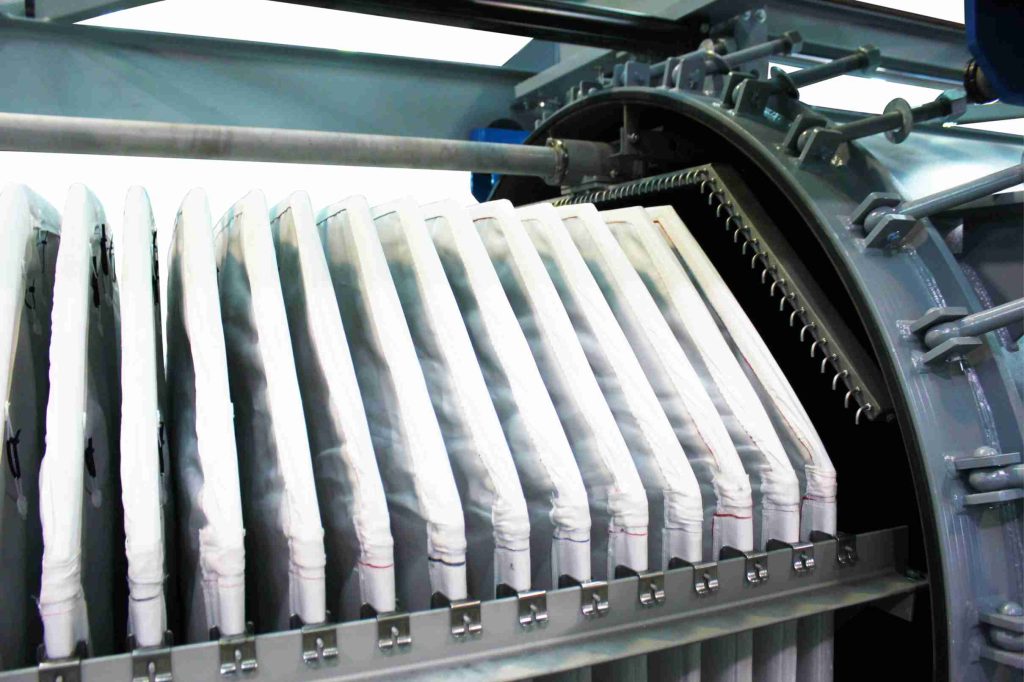
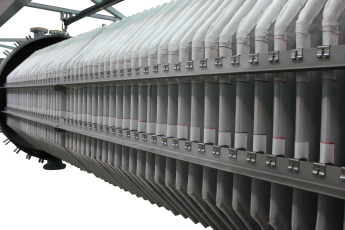
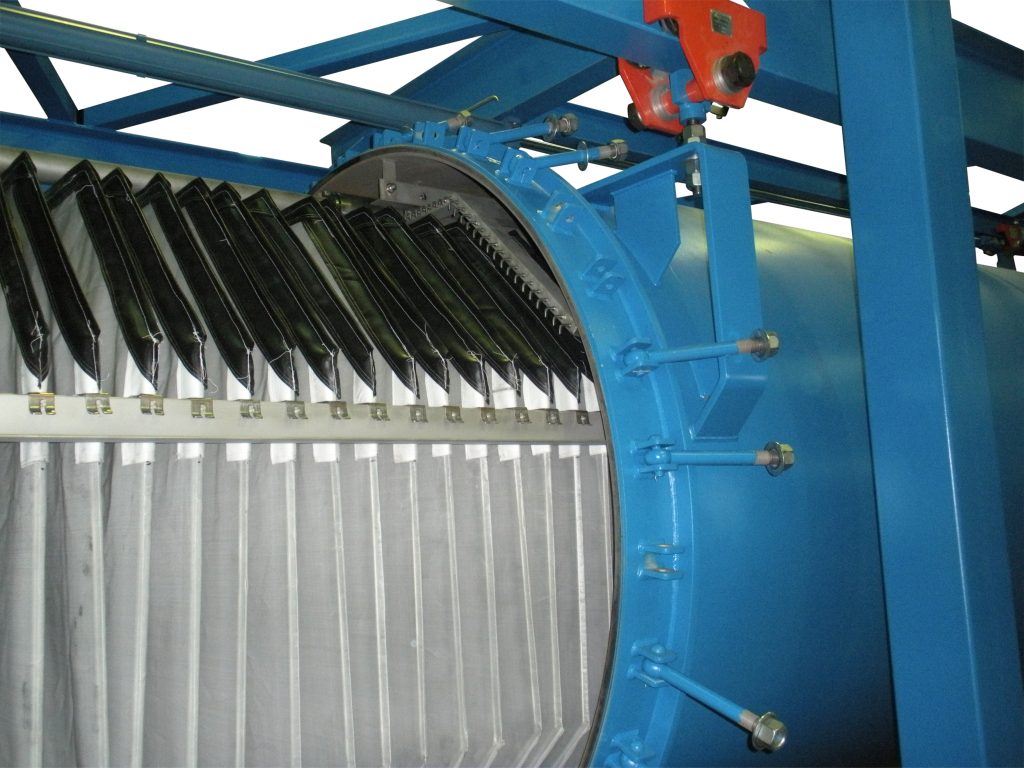
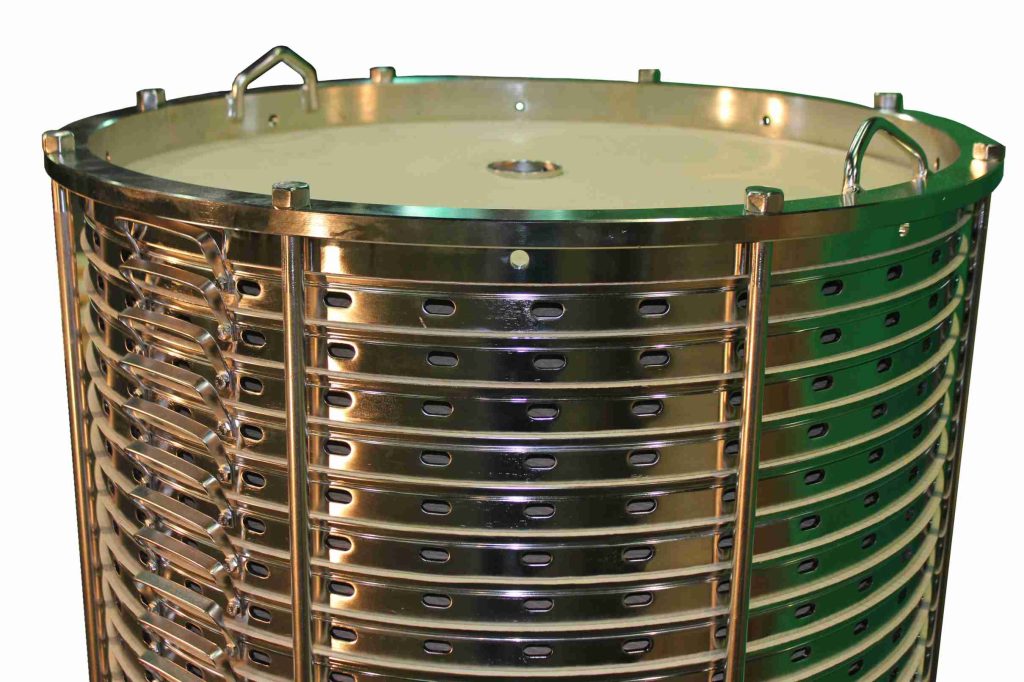
For reusable media (like vertical plate bags) :
A new installed media might have no measurable drop or a dP of <2 PSI
Over time , dP slowly climbs . If you start a cycle at IO psid, you're running reduced flow or getting faster blinding—
time to replace the bags.
If dP drops suddenly between cycles without a bag change (e.g., 10 to 5), you may have :
A hole, tear or pin holing effects
Blown gasket(s)
Bypass due to sealing failure
For horizontal plate filters :
Establish a baseline dP — typically -3 psid.
If the next cycle starts at 1 psid, something's wrong :
Precoating failed
Paper wasn’t installed properly
The media isn’t seated correctly, leading to bypass
Case Study :
OEM Filter Bags vs. Leading Generic Brand
In one caustic application, a customer was unknowingly operating at 60% efficiency for 8 years—24/7/365. Why?
They used generic polypropylene bags from the world’s largest filter bag producer—mass-manufactured, one-size-fits-all. When we inspected the system, we found that:
The bag design didn’t match the filter geometry.
Only 60% of the filter area was being cleaned per cycle.
After switching to OEM Sparkler bags, the system :
Immediately ran at full capacity
Shifted the production bottleneck downstream
Increased production, cycle run times, and reduced consumable cost
With OEM bags :
Fit is exact to the serial number of the filter, eliminating bypass and improving cleaning.
Tech support is immediate — our engineers know the exact product and specs.
They last longer, and offer better clarity, pressure control, and product quality.
Bottom line? Sparkler OEM bags are cheaper in the long run
Regulatory Compliance
Sparkler’s filter media is built to comply with stringent regulatory standards, including:
FDA 21 CFR 211.72 – For pharmaceutical and food applications
TSE No Animal Derived Raw Materials
Certificate of Conformance (COC), Lot Tracking, SDS availability
Click here to visit our page on compliance and standards
Other than specific chemical compatibility issues, most of our filter media options are suitable for highly regulated industries including food and controlled substances.
Storage Considerations
Storage Guidelines :
Nearly all filter media can be stored indefinitely if :
Kept in sealed boxes or bags
Stored in climate-controlled rooms (low humidity, consistent temperature)
Protected from sunlight, moisture, pests and dust
Need Help Selecting the Right Media?
Sparkler Filters’ engineering team has helped thousands of industries refine their filtration processes.